Social project · from passion to a testable plan

Talent Map

We organise potential, develop idea variants, find mentors and build a route from the first test to audiences beyond the participant's home region.

Pilot · open intake

Problem

People with a passion often have an idea, energy and early results, but they do not always know how to turn them into a viable offer or source of income. It can be hard to decide which skills to develop, how to create related products, where to find audiences beyond one's region and country, and who could become a mentor or partner. Without such a map, a dream remains a collection of loose activities instead of becoming a plan that can be tested.

Goal

Help a participant turn a passion into an organised development plan, a first social test and a route to wider audiences.

Solution

Talent Map combines a skills assessment with a 90-day goal and a first social use. Together we develop related variants of the idea, such as a publication, workshop, service, tool or prototype, then choose one to test. A mentor and partners help assess audiences, routes to market and the next steps from local to regional, national or international reach.

How it works

The participant brings a description of the passion, existing work and a goal. A mentor helps name strengths, audience needs and possible variants, then the team chooses a small 90-day test. Results determine whether to improve the idea, combine it with another format, prepare wider promotion or develop it with an institution.

Your role

  • Participant with a passion and material to develop
  • Industry or creative mentor
  • Host of the first social test
  • Library, education, university or business partner
  • Volunteer documenting lessons and contacts

Talent Map sits under career activation. It helps a person with a passion see what they already have, which related formats they can develop and which one should be tested with an audience within 90 days.

The programme is not limited to publishing or an academic path. It can support, among others:

  • an author developing a book, workbook or educational materials,
  • a craftsperson building a family of related products,
  • a trainer turning experience into a workshop, service or tool,
  • a digital creator with a prototype,
  • a student combining a passion, social practice and a portfolio.

First we organise skills and variants. Then we choose a small social test, look for a mentor or partner and collect feedback. Only the result of the test supports a decision on wider promotion, sales, cooperation or scaling beyond the participant’s home region and country.

Apply via the Talent Map form or the “How you can help” section below.

From passion to a plan that can grow

The icons combine two perspectives: a person's potential and the foundation's method. Each stage ends with a concrete decision or action.

Tangled routes around a valuable passion.

Problem

The passion and early results exist, but there is no route to audiences, a mentor or a development model.


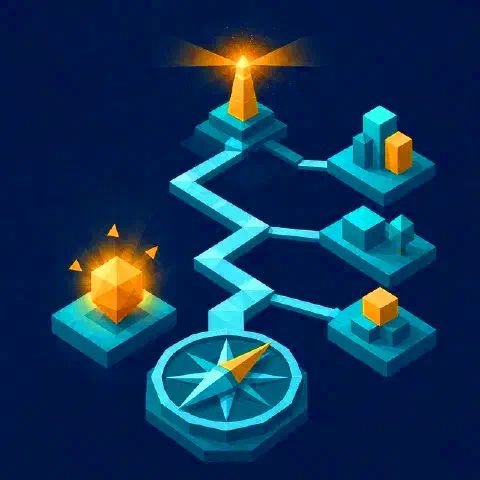
A compass and route leading to a goal.

Goal

A clear direction emerges from the starting point to a first test and wider reach.
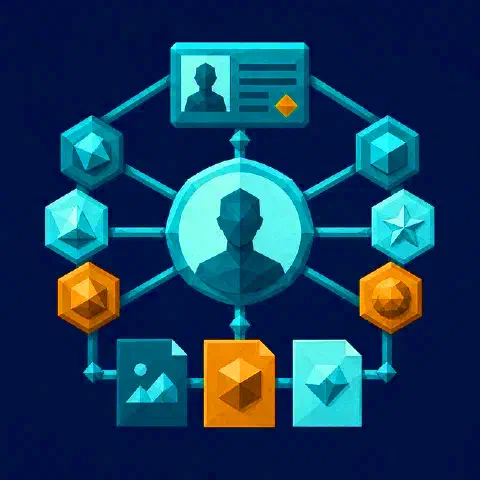
A profile connected to skills and portfolio items.

Organise the starting point

We gather skills, experience, materials and ambitions into one working profile.
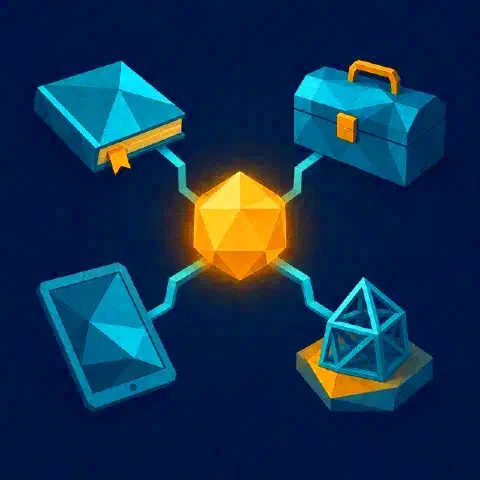
One idea branching into four related formats.

Develop variants

One core can produce related formats: a publication, workshop, service, tool or prototype.

One selected route among several possible directions.

Choose a route

We compare variants and select one step that can be completed and assessed within 90 days.
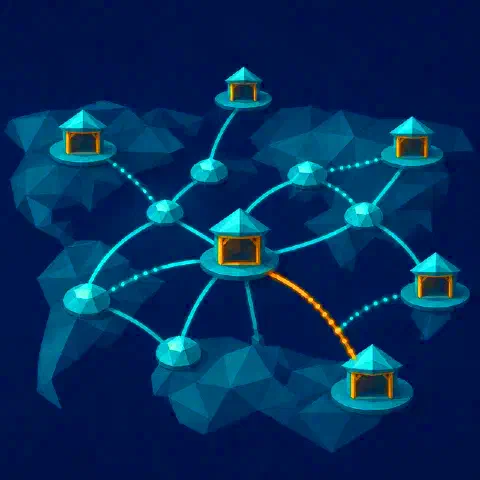
A network of local and international cooperation points.

Extend the reach

We look for partners and channels beyond the participant's town, region and country.

A mentor and participant working at a shared table.

Foundation's role

The foundation organises the process, chooses a small social test and helps find the right mentor or institution.

Knowledge and consecutive steps connected into one process.

How it works

Conversation, skills map, variant choice, test, feedback and a decision on the next step.

Different people connected around one shared map.

Who it is for

Creators, authors, trainers, students, craftspeople and small-business owners with an idea to develop.

A first prototype prepared for testing.

First stage

Within 90 days the participant creates a profile, one pilot variant, an audience test and lessons for further work.

Methodology elements connected into a coherent cycle.

Methodology link

Talent Map feeds the foundation cycle: need, idea, small deployment, observation, improvement and responsible scale.

Who it is for

  • Creators, authors and craftspeople who want to develop a passion into an offer
  • Trainers and small-business owners seeking related products or services
  • Students and graduates building a portfolio and first deployment
  • People who want to reach beyond their home region or country
  • Mentors and institutions ready to support promising people

First stage

  • A profile of skills, experience and existing results
  • A map of 3-5 related idea variants
  • One social test selected for 90 days
  • A conversation with a mentor and at least one potential partner
  • A decision: improve, combine, promote more widely or scale

Foundation's role

The foundation leads the assessment, helps develop idea variants, organises the first social test and connects the participant with a mentor or partner. Test results support the decision on further promotion, publication, cooperation or scaling. The participant retains decisions concerning their brand and intellectual property; details of further development are agreed separately.

How Talent Map connects to the foundation methodology

The programme follows the same cycle as other pilots: from identifying a need to a small deployment, lessons and responsible scaling.

  1. Need and potential: We establish what the participant already has, what is missing and who the idea can serve.
  2. Profile and variants: We organise skills and develop several related ways to use the passion.
  3. Test selection: We choose one variant, an audience, a result measure and a first-deployment partner.
  4. Social pilot: We test the idea in a library, school, NGO, company, workshop or another agreed setting.
  5. Lessons: We collect feedback and decide what to improve, simplify or combine.
  6. Scaling: Only after the test do we plan routes to further regions, partners or international audiences.

How you can help

Choose how to get involved - email or (soon) online form.

Share your passion or idea

Describe existing results, a 90-day goal and the biggest obstacle to development.

Become a mentor

Tell us where you can help and how much time you can offer to one map.

Placements and research

We connect well-matched topics with placements, degree projects and research.

Host a first test

A library, school, university, NGO or company can help test one variant with an audience.

We are looking for partners

Industry, creative and business mentors

Industry, creative and business mentors

Libraries, schools, universities and cultural institutions

Libraries, schools, universities and cultural institutions

NGOs and local authorities supporting career activation

NGOs and local authorities supporting career activation

Companies ready to provide an audience or test setting

Companies ready to provide an audience or test setting

Partners helping reach other regions and countries

Partners helping reach other regions and countries

Action plan

30 days

  • Recruit the first participants and mentors
  • Prepare the profile and variant map
  • Choose a test and pilot partner

90 days

  • Complete 5-10 maps and first tests
  • Collect feedback from audiences and mentors
  • Decide which variants to improve, promote or scale

Where it works

  • An author develops a book into a library event, school materials or a workshop.
  • A craftsperson organises a product series and tests sales beyond the home region.
  • A trainer turns experience into a programme, workbook or service for organisations.
  • A digital creator compares a prototype, publication and institutional partnership model.
  • A small-business owner prepares a related offer for a new audience.
  • A student combines a passion, social practice and a portfolio for a first job.

Partnership

We seek mentors and institutions that can provide knowledge, audiences or a place for the first test. A partner joins a specific stage and helps assess the result; they do not need to run the whole programme.

We are looking for volunteers and academic partners

Across all foundation projects we seek volunteers for field work, documentation, education, logistics and participant care.

For outstanding candidates we offer placements in every format: on-site, remote and hybrid, as well as research commissions, sponsorship of engineering and master's theses, doctoral work and joint research with universities and student research groups.

Write to foundation@aimindllc.com with a short note on your interests and availability.